



Cashmere Trivia: Why Is It So Expensive? How Is It Different from Other Wools?
What is Cashmere?

Cashmere is a type of wool that comes from goats specially bred for their soft undercoat, from which cashmere fiber is made. The word cashmere is an anglicized form of Kashmir, the northernmost region of India where the precious fiber has been produced for thousands of years.
Cashmere is obtained from cashmere and pashmina goats and is typically produced in Central Asia, though other regions such as Europe and the United States have also developed their own cashmere industries.

The hair of cashmere-producing goats is two-layered, with a coarse outer layer that protects against the elements and is used for brushes, etc. On the other hand, the dense, soft, and fine undercoat is used for making fabrics, and the unique characteristics of cashmere wool lie in this undercoat.
Why is Cashmere Expensive?

Cashmere is known for being incredibly soft, warm, lightweight, and breathable, making it an essential material for any fall/winter wardrobe. High-quality cashmere is also durable and resilient, so it retains its shape over time, allowing you to enjoy its premium quality and warmth for years to come.
However, due to these qualities and the intricate, time-consuming, and labor-intensive production method, cashmere is extremely expensive. In luxury brands, you can find cashmere sweaters costing anywhere from a few hundred to over a thousand dollars. The price varies depending on the type and quality of the cashmere fabric and its construction.
Types of Cashmere
Cashmere comes in different grades, which directly reflect its quality. These grades are divided into three categories: A, B, and C.
Grade C is the lowest quality, with cashmere fibers approximately 30 microns wide. Grade B cashmere is mid-range, with fibers around 18-19 microns wide. Grade A cashmere is the finest, with fibers as thin as 14 microns. The finer the cashmere fibers, the more delicate the weave, and the higher the quality of the final sweater or cardigan.
Also, due to differences in production methods across regions, there are variations in each cashmere product. While China and Mongolia are leading producers of cashmere, it is widely known that the highest quality cashmere is often produced by local people in the mountainous regions of India's Kashmir region.
The goats in the Kashmir region are said to develop finer, denser undercoats due to the harsh winter conditions and their diet, providing the highest quality raw material for Kashmir sweaters, shawls, and cardigans.Before purchasing cashmere, beware of items that are not 100% cashmere. Many companies produce what are called "cashmere blends," which mix cashmere fibers with cheaper, lower-quality wool or nylon. Such blends completely lack the unique characteristics of cashmere. 100% cashmere is flexible, keeping you warm in winter and cool and dry in spring and autumn.
What is "Ply" in Cashmere?
Ply refers to how many strands of cashmere yarn are twisted together to form a single thread. A 1-ply is designed to be thin and stretchy, so it is not as warm as thicker cashmere.
2-ply offers a balance of warmth, resilience, and lightness, making it an ideal type of cashmere. 3-4 ply is not necessarily warmer or softer, but it is considerably heavier than 2-ply.
How to Determine Cashmere Quality?
First, touch it. Cashmere is the softest and most luxurious fiber. When you run your hand over high-quality cashmere, your fingertips should feel a pleasant and satisfying sensation.However, if it's too soft or itchy, it might have been treated with chemicals for artificial softness or over-washed by the manufacturer. These treatments can damage the fibers and reduce the durability and lifespan of the cashmere.
Next, try stretching it. Low-quality cashmere blends won't return to their original shape. A two-ply, 100% cashmere will hold its shape remarkably well. Stretching cashmere also gives you a good look at how tightly the yarn is knitted. If it's very loose and you can see through it, that indicates low quality.
Finally, check the fibers. Run your hand slowly over the surface of the fibers, feeling them as you go. If the fibers loosen and roll into pills in your hand, the cashmere might be made from short cashmere hairs. High-quality cashmere sweaters are made from long, fine cashmere fibers, so they won't pill immediately. All cashmere will shed fibers over time, but if it starts pilling right off the shelf, the cashmere is likely of low quality.
Read more
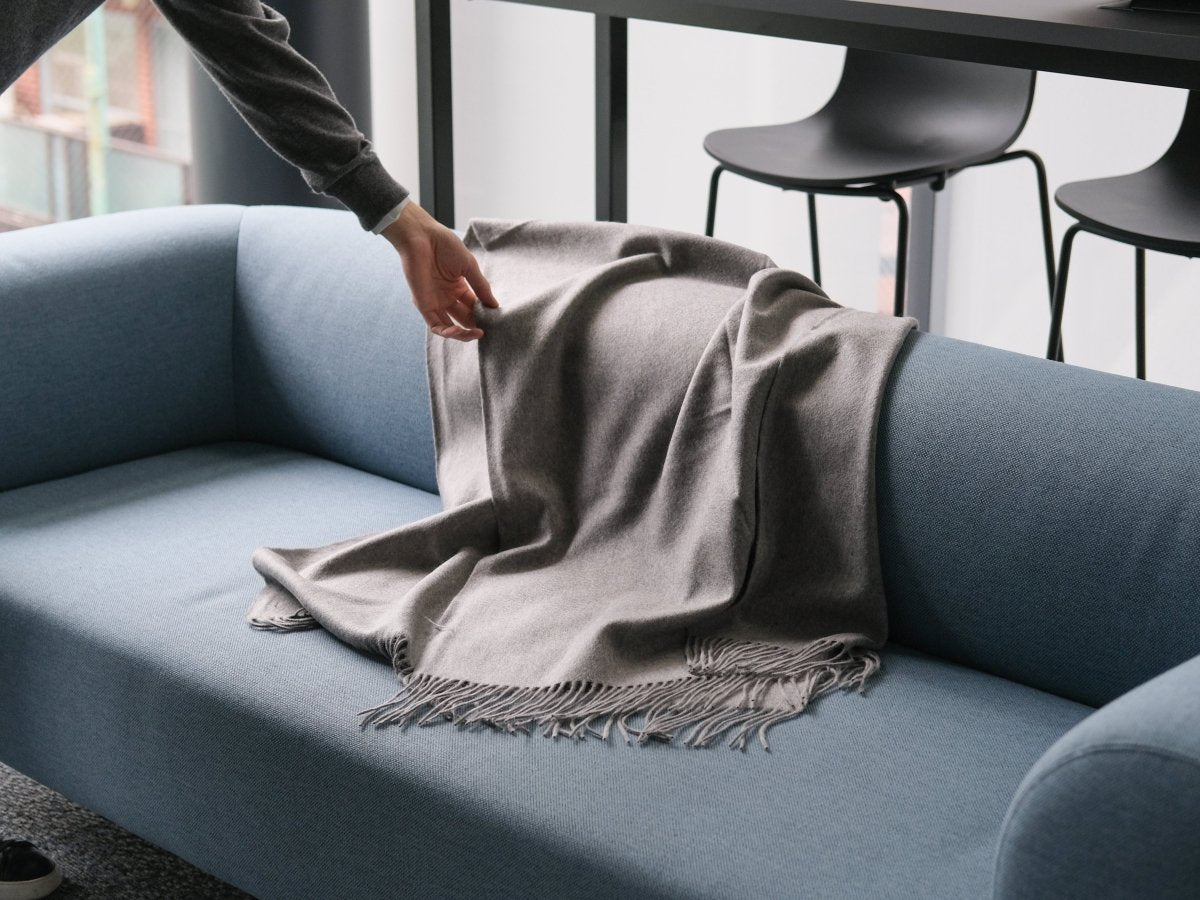
How to distinguish high-quality cashmere: the quality varies greatly even within the same material.
Cashmere, known as the "jewel of fibers," is indispensable during the cold winter months. Cashmere knitwear ranges from items under 10,000 yen at Uniqlo and Muji to those that sell for over 100,000...
Read more
<8 Questions> Is a silk pillowcase really good for your skin and hair?
Silk pillowcases are said to have beauty benefits, such as reducing wrinkles, split ends, and frizz. But do silk bedding products really work? In this article, we will answer eight common question...
Read more